The Budget-Friendly Guide to Growing Herbs and Plants Indoors
Disclosure: This post may contain affiliate links. As an Amazon Associate, I earn from qualifying purchases at no extra cost to you.
There’s a particular kind of quiet that settles in while tending a garden — even a small one. No phone notifications, no rushing, just soil, water, and a little bit of patience. Homegrown living isn’t about producing every vegetable you eat; it’s about building small, repeatable moments of calm into an otherwise busy day.
This guide is meant for true beginners — no gardening background required, just a windowsill, a few pots, and a little curiosity.
Getting Started: What You Actually Need
You don’t need much to start growing herbs and plants indoors. At minimum:
- A few small pots with drainage holes
- A bag of well-draining potting soil
- A sunny windowsill, or a grow light if natural sunlight is limited
- A watering can with a narrow spout for controlled watering
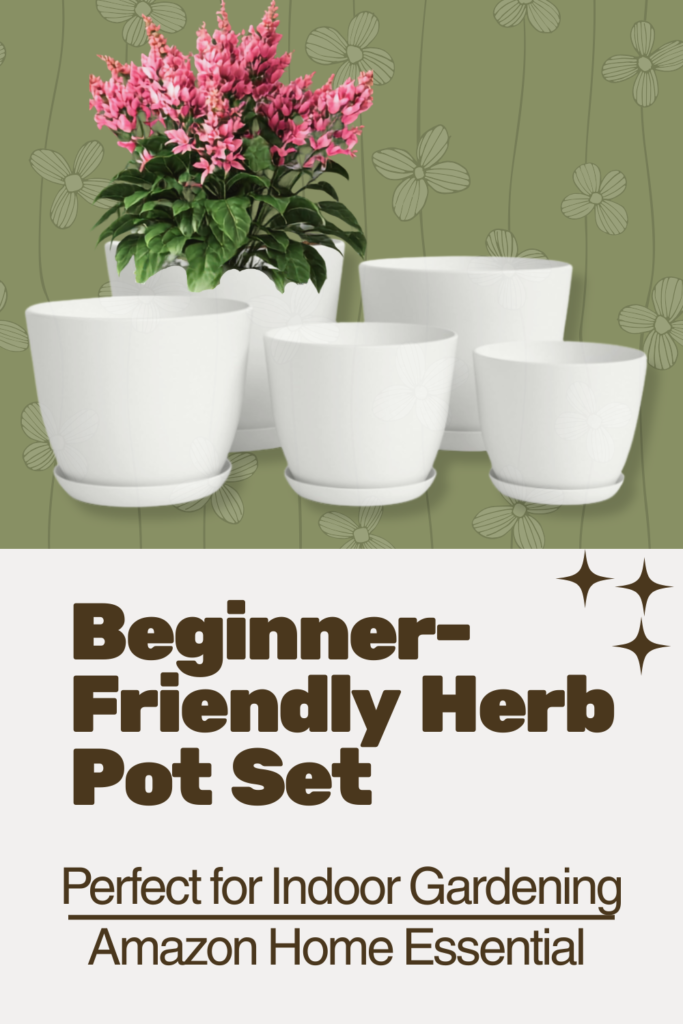
A simple starter pot set designed for indoor herbs takes a lot of the guesswork out, since the sizing and drainage are already figured out for you. Utopia Home Plant Pots Indoor with Drainage Holes – Set of 5
Easiest Plants for First-Time Growers
Some plants are simply more forgiving than others, which makes them ideal for building confidence early on:
- Mint — grows fast and tolerates inconsistent watering.
- Pothos — thrives in low light and is nearly impossible to overwater incorrectly.
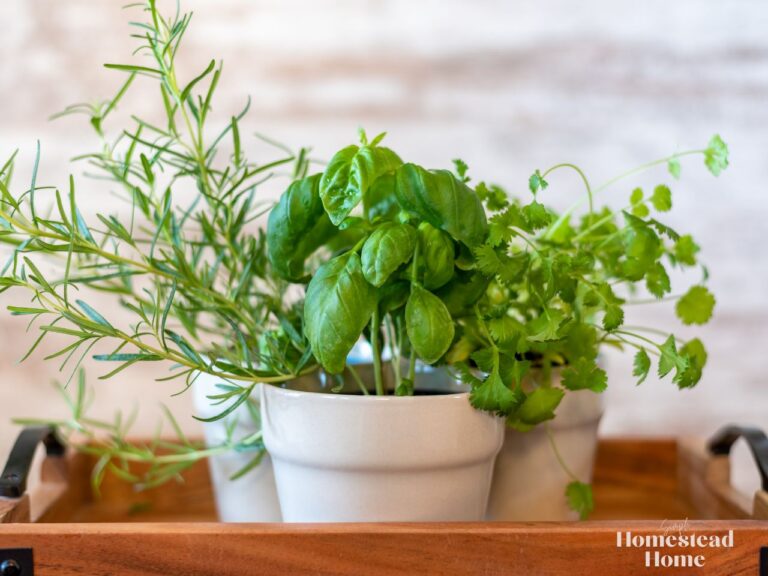
- Basil — rewarding and useful in the kitchen almost immediately.
- Spider plant — resilient, low-maintenance, and easy to propagate for more free plants later.
Starting with two or three of these rather than an ambitious mixed garden makes the whole process feel manageable rather than overwhelming.
A Simple Weekly Rhythm
Homegrown living works best as a rhythm rather than a chore list. A simple weekly routine might look like:
- Check soil moisture every few days — water only when the top inch feels dry.
- Rotate pots near a window so all sides get even light.
- Trim and harvest herbs regularly, which actually encourages fuller growth.
- Wipe down leaves occasionally to keep dust from blocking light absorption.
None of this takes more than a few minutes, but it adds a small, grounding ritual to the week.
Beginner DIY Projects to Try
- Propagate a pothos cutting in a small glass jar of water — watch roots form over a couple of weeks.
- Repurpose mason jars as small herb planters with drainage holes drilled in the bottom.
- Make plant markers from painted wooden spoons or popsicle sticks.
- Build a simple windowsill shelf to expand growing space without needing floor room.
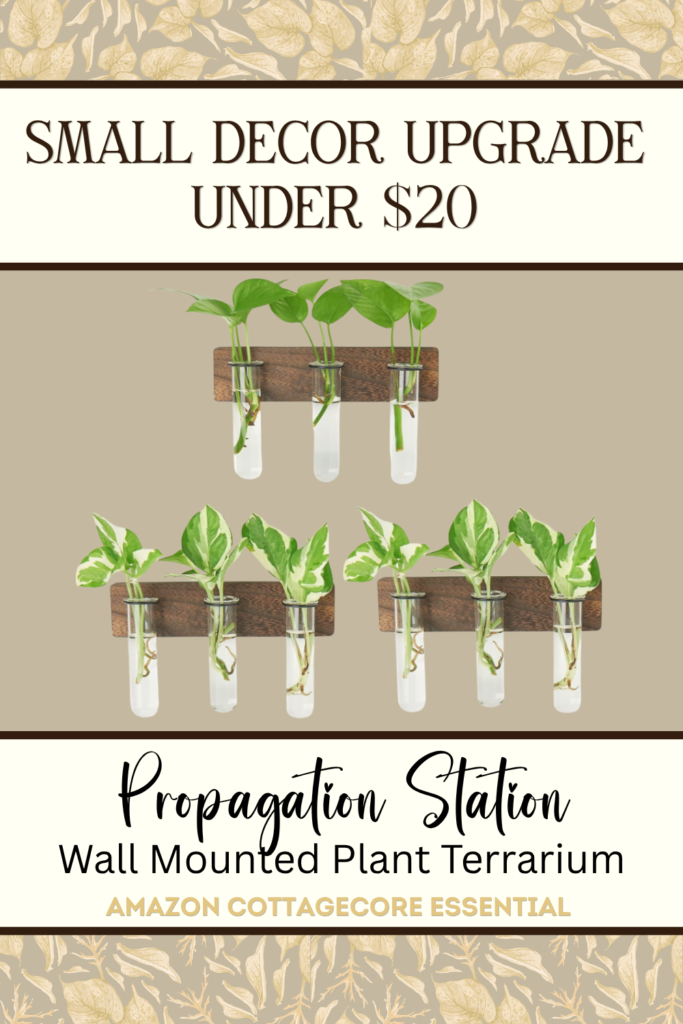
A basic plant propagation station makes this process even easier if you want to expand your collection without buying new plants. XXXFLOWER Wall-Mounted Plant Terrarium with Wooden Stand
Growing Confidence, Not Just Plants
The truth about homegrown living is that not everything survives — and that’s completely normal. Every gardener, no matter how experienced, has killed a plant or two along the way. What matters is the quiet confidence that builds each time something new takes root.
Start small, expect a little trial and error, and let the process be as calming as the harvest itself.